Sea scallop genomics
Multi -omics to catch up with the fastest warming system globally!
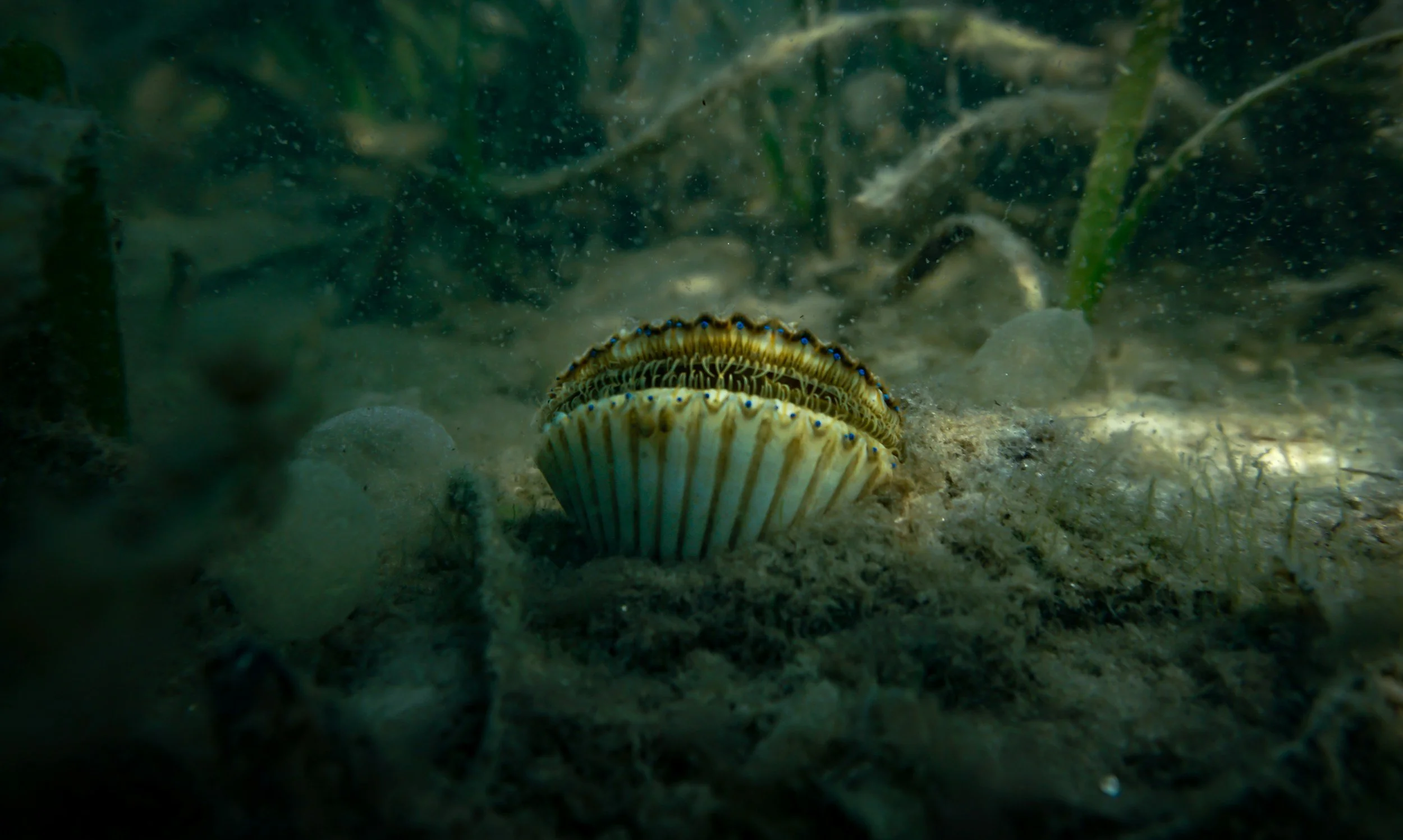
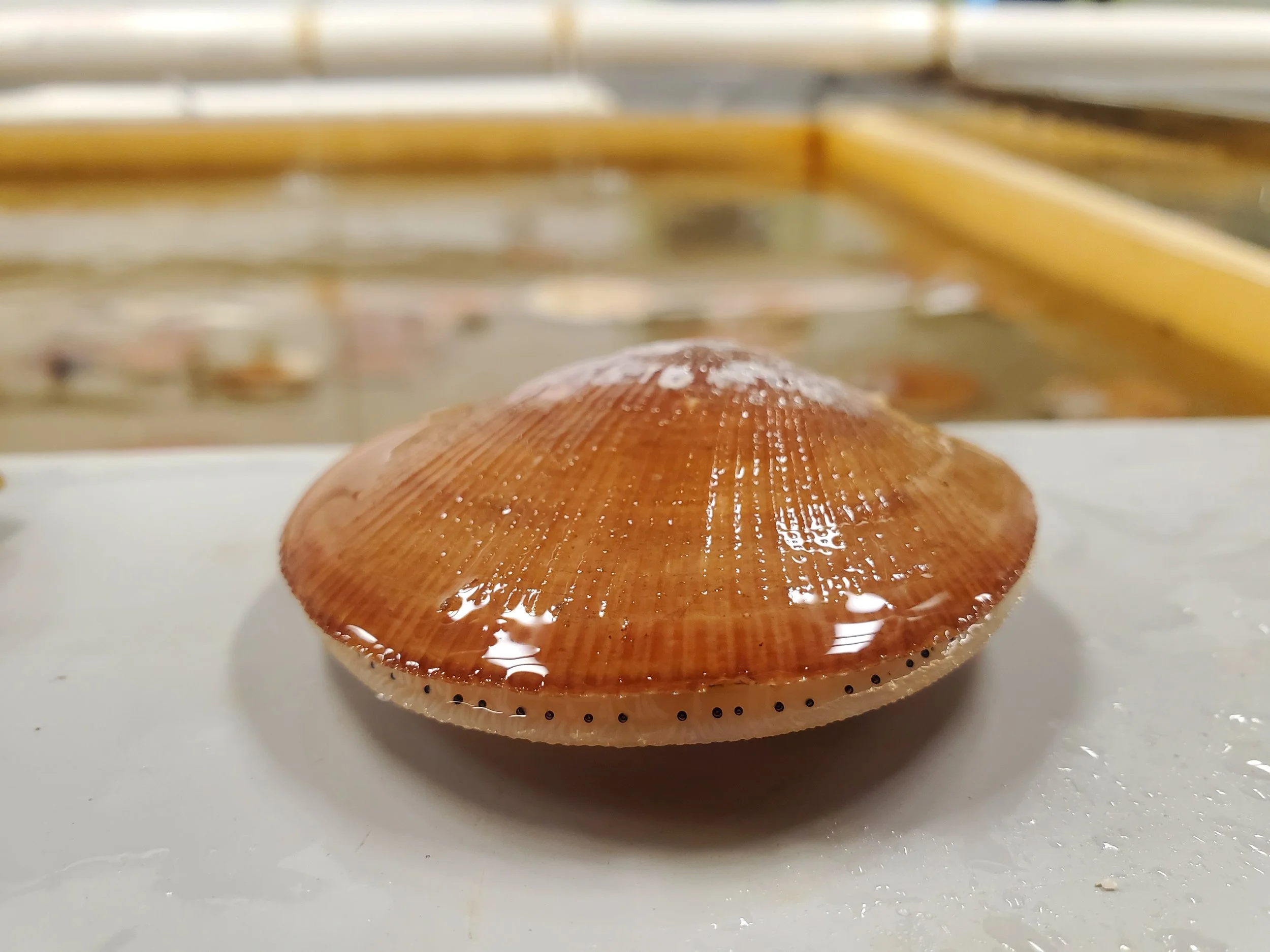
The Atlantic sea scallop, Placopecten magellanicus, is the largest wild caught scallop fishery in the world (~$450 million USD). Scallop habitat range has been shifting northward as water temperatures increase, and recent research suggests that growth slows as ocean acidification (OA) intensifies. Population genetics are important to understand the capacity of an organism to evolve to long-term ecosystem-scale changes. Preliminary studies suggest that there might be genetic differentiation between southern and northern populations of sea scallops A chromosome-scale genome was built for P. magellanicus to serve as an open-source reference for fisheries management. Wild sea scallops were harvested across a latitudinal gradient from the Northeast US Atlantic to investigate genetic variation between populations. Sea scallops from two populations in Gulf of Maine were exposed for two weeks to two different temperatures (9C and 15C) and two different OA conditions (ambient and -0.3 pH). Hemolymph and gill samples were taken determine whether populations differ in response to impending challenges. Through a combination of manipulative experiments and multi -omics, we can start to understand the capacity for the sea scallop to evolve and adapt to long-term ecosystem changes.
Funded by NOAA OAP (Project number 25199) “Disentangling adaptation from acclimation: Identification of genetic and non-genetic traits that enable environmental tolerance among populations of Atlantic sea scallop Placopecten magellanicus”